Why you should re-elect Bill Darcy and Bob MacLeod as NHEC Directors


VOTE TODAY at the NHEC Smart Hub
ONLINE VOTING ENDS TODAY at 4:30 PM!
Go to your NHEC Smart Hub account and vote there:
This website provides an overview of Bill Darcy’s and Bob MacLeod’s accomplishments, and those of the Board of Directors and staff over the last six years. The last two of those years, Bill has been Chair of the Board of Directors. Many candidates make election promises; presented here are documented achievements for you and your electric cooperative. We pledge to work hard and smart over the next three years to accomplish even more for members than we did in the last six years. We look forward to offering seasonal broadband rates, increasing reliability, improving customer service, and exploring additional renewable energy opportunities.
Bill and Bob are committed to the cooperative model of member-owned and governed provision of electric and broadband services, which differs significantly from investor-owned utilities like Eversource. For us, our members, not investors, are our first priority.
Below is a quick summary of Bill's and Bob's focus and accomplishments at NHEC since 2020, followed by more detailed descriptions.
AFFORDABILITY
The distribution rate increases have been less than inflation, despite large increases in electric equipment costs.
Energy rates (Co-op Power) are lower than those of other New Hampshire electric utilities and competitive suppliers.
Fixed monthly member service charge reduced by 16% to especially help the poor, seniors, and those with smaller and seasonal homes.
RELIABILITY
A doubling of the spending on tree-trimming, to reduce outages caused by trees or branches falling on power lines, the primary cause of outages.
A large investment in substation replacements and upgrades, and a new mobile substation, to quickly restore major storm outages.
The installation of many devices to isolate and reduce the duration of power outages.
State, regional, and national advocacy for legislation and regulations that increase the supply and reliability of electric generating facilities.
BROADBAND
Built 3,000 miles of high-speed fiber that makes state-of-the-art broadband internet available to over 40,000 members by the end of the year.
Secured multiple federal grants to support the broadband initiative, with Bill being instrumental in securing a landmark $50 million grant.
Emphasis on prudent expansion and a strong, independent broadband business, while delivering significant benefits to the electric business and customers.
ENVIRONMENT
Bill led the Board’s effort to adopt renewable energy rates, offering members the option of 50% and 100% renewable power, as an alternative to the Co-op Power rate.
NHEC has more power purchase agreements with renewable solar, wind, and hydroelectric projects than any other electricity provider in New Hampshire.
Solar net metering has increased dramatically, doubling since 2020.
NHEC added a 2.45-megawatt battery storage project to its Moultonborough 2-megawatt solar project.
We support plug-in solar legislation (SB 540) as a less expensive way for members to support renewable energy and save on electric bills.
Bill and Bob’s focus have been on 1) affordable service, 2) reliable service, 3) extending high-speed fiber internet to members and securing federal grants to reduce those broadband costs, and 4) promotion of renewable energy that advances affordable and reliable service. None of those goals has been easy to achieve amid rapidly rising inflation, significant changes in the electric industry, and increasing competition in telecommunications. Experienced, knowledgeable, and hard-working Board members and staff are important assets for members in meeting these challenges.
Bill’s most important administrative task as Board Chair was leading a smooth transition in staff leadership and selecting a new President and CEO. Michael Jennings is a highly competent, hard-working CEO who will ably lead NHEC for many years to come.
Below are details on progress toward the four goals. The challenge slate of Rendell, Boivin, and Harkovy, in their letters to the editor, website, and candidate forum, focuses on renewable energy, so the record of Board accomplishments below starts with our impressive record in that area.
Later, an explanation will be provided of how Bill’s and Bob’s backgrounds support member priorities.
Lastly, Bill shares his recommendation to vote for a non-incumbent candidate, Carl Knowlton.
DISCLAIMER: This website is not a New Hampshire Electric Cooperative or NH Broadband website and is not approved or endorsed by those organizations, their staff, or governing bodies.
ENVIRONMENT
The environmental impact of the energy business is important to our members and the Board of Directors. Bill, Bob, and the Board of Directors support renewable energy and have an impressive record in this area.
Member Option for 50% and 100% Renewable Energy
Before Bill was Chair of the Board of Directors, he was Chair of the Board’s Power Purchase Committee. In that role, he pushed for two years to get the Committee and Board of Directors to adopt renewable energy rates offering 50% and 100% renewable power, as an alternative to the Co-op Power rate. The Co-op Power rates provide the statutory minimum of about 25% renewable power, and the new rates considerably increase the renewable generation percentage. As a result of Bill’s efforts, the two high-renewable-content energy rates were finally adopted in 2024. No other electric distribution company in New Hampshire (Eversource, Liberty or Unitil) offers renewable energy rates with either 50% or 100% renewable energy.
Renewable Energy Contracts
NHEC has been a leader among New Hampshire electric utilities in using long‑term contracts to support local renewable energy projects. Unlike other distribution utilities in New Hampshire, NHEC has consistently pursued long‑term arrangements for renewable resources, currently including two hydroelectric projects, three wind projects, and three solar projects. These contracts include solar power through NH Solar Shares, which consists of three community solar projects in Plymouth, Warren, and Center Harbor, developed in cooperation with the Plymouth Area Renewable Energy Initiative (PAREI). In addition to long‑term energy purchases, NHEC also holds renewable energy certificate contracts with several New Hampshire projects, including local municipal and school‑based facilities.
Support for Plug-In Solar
Plug-In Solar is a new innovation in the renewable energy space that enables people to reduce their energy bills with a modest investment and few bureaucratic hurdles. While rooftop solar and net metering can cost $20,000, out of reach of many of our members, plug-in solar can cost less than $3,000. It is being promoted in the state legislature through Senate Bill SB 540. Bill, as Board Chair, has supported this legislative effort and noted his support publicly at the April 21, 2026, NHEC Board meeting.
An Increase in Solar Net Metering
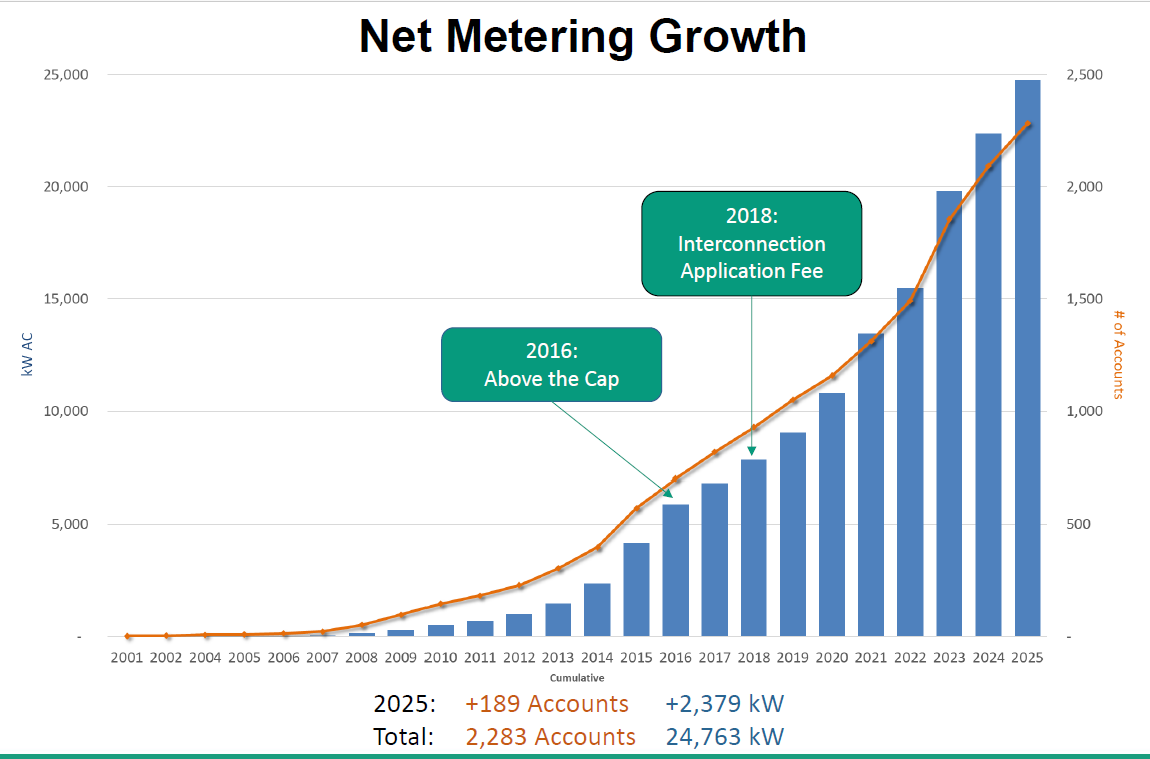
The Board encourages member self-generation through the net metering of solar installations, largely residential rooftop units. The number of solar interconnections have rapidly increased, more than doubling since 2020. In 2026, there are now more than 2,300 member accounts providing electricity from solar arrays.
Moultonborough Solar and Battery Project
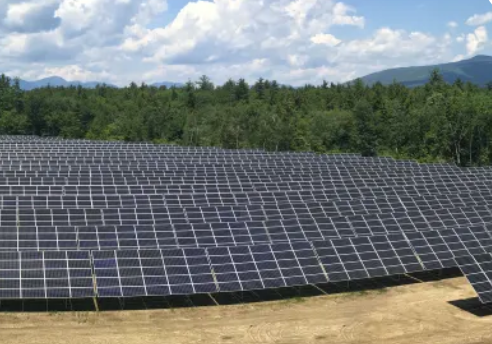
While distribution utilities in New Hampshire are not supposed to own electric generating facilities, there is an exception for renewable energy projects that are not over 6% of the utility’s energy load. To test the economic and operational viability of grid-sized solar projects, NHEC developed the Moultonborough solar project. The project is a 2.59 megawatt (DC) and 2.0 megawatt (AC) project with 8,000 panels and 40 inverters on 12 acres of land. It was the largest Solar PV Array in the State of New Hampshire in 2017 when it was constructed and started service. Project is expected to produce approximately 3.1 million kilowatt-hours of electricity annually, enough to power approximately 600 homes. The total project cost was $5 million. One other distribution company recently started a solar project, but NHEC was the first.
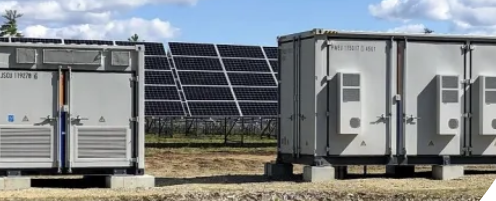
After the solar array was built and operational, NHEC added a 2.45-megawatt battery storage project at the same site to save money by “peak shaving,” reducing the peak electrical load required to be served by ISO-NE. As noted on the NHEC website:
It charges from NHEC’s distribution system during times of low demand and discharges during periods of peak regional electricity use. By discharging during hours of peak electric usage, the battery saves NHEC’s members money on regional market and delivery charges while reducing demand on the grid.
The battery project is also providing NHEC with insight and direct experience into how battery storage technologies interact with its electrical system and respond to price signals, and is being used to reduce NHEC’s transmission charges and regional capacity payments. NHEC estimates these discharges will save its members $2.3 million over the next 12 years.
Balancing Priorities
Bill, Bob, and the NHEC Board strongly support renewable local energy. And while NHEC has a superlative record in promoting renewable energy, the best among New Hampshire utilities, it always approaches the issue with a strong business sense to make sure our members’ pocketbooks are protected. NHEC has struck the appropriate balance in its encouragement and adoption of renewable energy, especially given that members have consistently told NHEC that their highest priorities are rate affordability and service reliability.
The challenge slate seems to be advocating a much more aggressive purchase and building of renewable energy. They seem to believe that there is lots of affordable local clean energy available that the NHEC is not buying or building. Why would we do that? NHEC would eagerly buy such affordable resources if they were available. But in today’s market, renewables in New England cost more money than the alternatives.
The renewable rates of both the Community Power Coalition of NH (CPCNH) and NHEC, are considerably higher than the standard default rates (“Co-op Power” for NHEC and “Granite Basic” for CPCNH. For instance, the CPCNH Granite Basic costs 14.5 cents per kWh while the 100% renewable rate is 17.5 cents per kWh. Do you want a 20% increase in your rates? For NHEC, the difference between the standard Co-op power rate (11.1cents/kWh) and the 100% renewable rate (14.3 cents/kWh) is 28%. States like California and European nations like Germany and the United Kingdom have a much higher proportion of renewables than New Hampshire, yet they also have very high electricity rates and have been beset by occasional reliability problems. Bill and Bob will continue to examine opportunities for additional renewable energy and battery technologies and urge NHEC to adopt them as soon as prudent. We would be very pleased to reduce reliance on imported natural gas.
AFFORDABILITY
NHEC surveys consistently show that affordability and reliability are the highest priorities of our members. We all want the cost of electricity to be reasonable and for the lights to go on when we flip the switch. Bill has tried to focus on both of these goals as a director and Board Chair. Those goals can be conflicting: enhancing reliability requires higher capital and operating costs, which puts pressure on member rates. The results noted below suggest the Board and staff have successfully balanced those two goals.
DISTRIBUTION RATES INCREASES LOWER THAN THE RATE OF INFLATION.
Since 2020, keeping costs reasonable for members has been a challenge due to inflationary pressures. For example, as shown on the graphic below, transformer costs have increased 98%, cross arms 104%, and primary wires $62%.
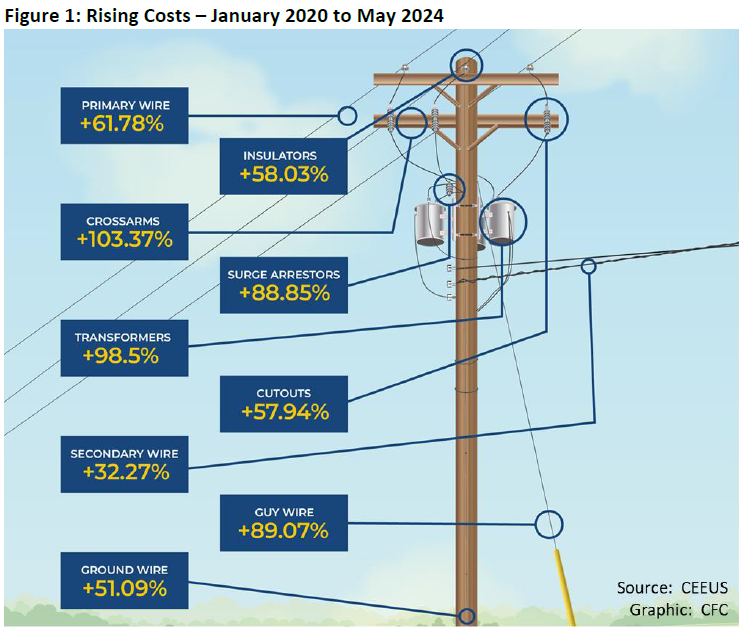
Electric equipment cost increases have significantly exceeded the general inflation rate since 2020
Despite increases in capital and operating costs, the NHEC Board of Directors and staff have succeeded in keeping rates below the inflation rate. Another way of saying this is that, inflation-adjusted,2026 distribution rates are lower than in 2020! This year, Bill led an effort with the Budget Finance and Rates Committee to closely examine our historical cost data and adjust critical budget variables, such as expected annual revenues and employee costs (adjusted based on actual hiring timelines). The result was a minimal rate increase for the current rate period, less than 1% for most members.
The distribution end of the electric business (poles, wires, and substations) accounts for almost all capital and operating costs. Almost all NHEC electric business employees work for the distribution business. In contrast, the energy part of your monthly bill (Co-op Power) is a purchasing business that requires little capital and few employees.
ENERGY RATES LOWER THAN OTHER NEW HAMPSHIRE ELECTRIC UTILITIES AND COMPETITIVE SUPPLIERS
Depending upon current market rates, the energy costs can be almost half or more of members’ monthly bills. All New Hampshire electric utilities operate in the same energy markets, but how they purchase energy can significantly affect customer costs. Over the most recent rate periods since 2020, NHEC’s default energy rate has compared favorably to other New Hampshire utilities, community aggregators, and competitive suppliers. For instance, in the current rate period, the NHEC default energy rate, called Co-op Power on your bills, is significantly lower (30%) than some community aggregators and lower than the other three major utilities (Eversource, Liberty, and Unitil). Part of the better performance is due to having greater flexibility than rate-regulated investor-owned utilities, and part is due to wise purchasing decisions. The Board of Directors has been involved in establishing policies that control risk and require Board approval every six months for the mix of fixed-price contracts and spot-market purchases.
A REDUCTION IN THE MEMBER SERVICE CHARGE BY 16%
Since Bill first joined the Board of Directors, he has been concerned about NHEC’s high fixed monthly charge, known as the Member Service Charge, which cannot be avoided by reduced electric usage. His background as a utility consumer advocate and regulator led him to conclude the charge was too high. He voted against the annual rate increases on several occasions because of this unfair charge and noted his advocacy on this subject in the director election brochure in 2023. Finally, in late 2025, he convinced the Board of Directors to reduce the fixed charge by 16%! Now there will be some rate relief for the poor, the elderly, and those with small residences and seasonal second homes. High fixed charges also discourage conservation efforts, because investments or practices to reduce energy use have no effect on the fixed monthly charge
THE FRUGAL BENTON, NEW HAMPSHIRE ATTITUDE
Bill’s 250-word election brochure statement notes that he is Chair of the Town of Benton Board of Selectmen and the very low taxes he has delivered to town residents in the last six years. In fact, resident tax bills, on average, haven’t increased during Bill’s tenure, and for most of those years, the municipal budget delivered the lowest taxes among all New Hampshire’s incorporated municipalities. Most of the Benton municipal tax rates adopted during his tenure were “negative” tax rates, meaning no property taxes were needed to support the municipal budget, because the revenues exceeded the very small expenses. The New
Hampshire Department of Revenue website notes that the Benton municipal tax rate in 2025 was -$1.53, with a total tax rate of $8.55 per thousand dollars of property value. These results stem from a frugal approach to using “other people’s money,” an attitude he shares in his work for NHEC.
RELIABILITY
Making sure electricity is available to members when they need it is a central duty of NHEC. We all want reliable electrical service, and we all see how valuable it is when the lights don’t go on. Our health, safety, comfort, and contact with the outside world depend on it. New Hampshire is the second most forested state in the nation (84%), and trees and branches are the leading cause of service outages. Equipment maintenance and replacement of aging equipment are also factors in service reliability. Finally, state, regional, and national policies are important for ensuring a reliable power supply to keep the lights on, especially during peak periods and major storms. Bill and the NHEC Board have addressed all these issues.
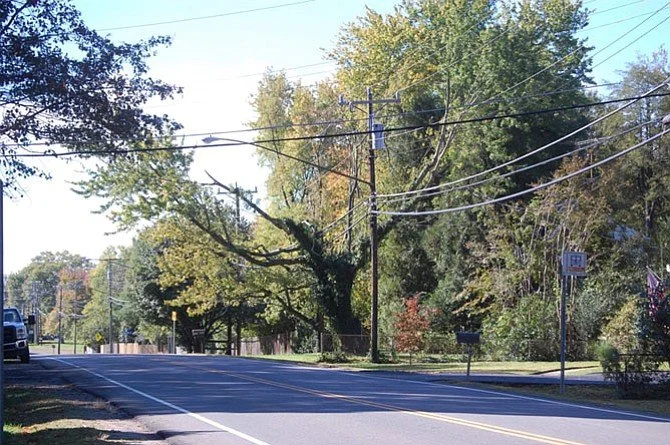
Trees and their branches encroaching on power lines are a big challenge to reliability
TREE TRIMMING TO REDUCE OUTAGES
One of NHEC’s highest operating costs is maintaining the rights-of-way along power lines to prevent overgrowth with trees and branches. When ice storms, heavy snow, or high winds occur, that vegetation results in power outages. More than 60% of outages are caused by trees or branches falling on power lines. To address this issue, the Board of Directors has significantly increased the annual budget for vegetation management. Since 2020, the Board has increased annual spending from $5 million a year to $10 million a year. These increases in annual operating budgets were not easy decisions, but Bill, Bob, and the Board believed that the importance of service reliability justified those decisions.
SUBSTATION UPGRADES AND MOBILE SUBSTATION
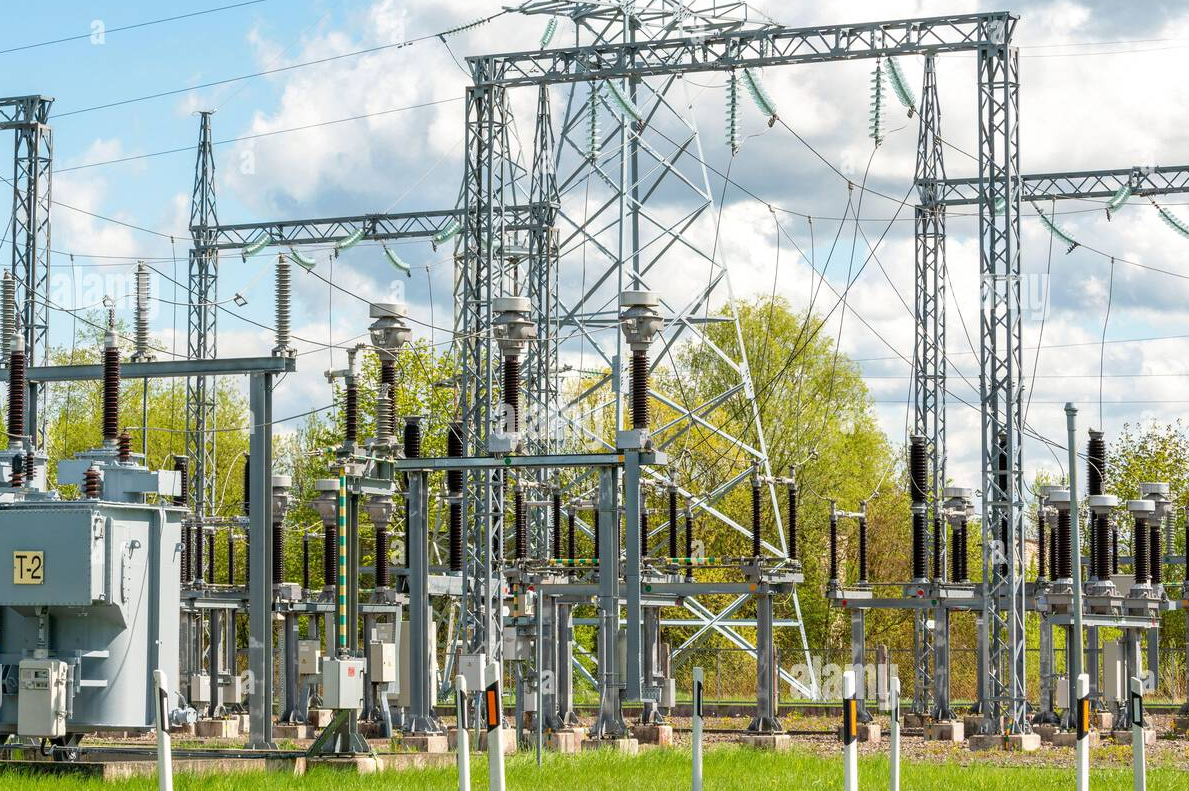
Electric substations are a critical and very expensive part of the electric service infrastructure
In addition to increasing the operating budget for reliability, Bill, Bob and the Board supported significant increases in capital budgets to improve reliability. Substations are where NHEC receives power from high-voltage transmission lines and then distributes electricity to members. They are a critical cog in the NHEC electrical system, and if they fail, thousands of members can lose power. NHEC is in the process of replacing or upgrading the substations that are the oldest and least reliable, a very costly endeavor, but one that is necessary. The two substations replaced in 2025 (Tuftonboro and Waterville) cost over $7 million.
Substations take a long time to repair or replace, too long if there is a catastrophic outage that knocks out a substation. To ensure that members have power while the substation is being repaired or replaced, the Board authorized $3 million for a new mobile substation to more quickly replace the out-of-service substation. The new mobile substation joins two much older mobile substations.
Another means of reducing member outages is the use of Supervisory Control and Data Acquisition (SCADA) devices, such as reclosers. The SCADA system and reclosers help isolate outages and reroute electricity to reduce the number of members affected. The Board has authorized substantial spending on SCADA to improve the reliability of our electric services.
STATE, REGIONAL, AND NATIONAL ADVOCACY
Because of a state law that separated electricity generation from distribution. New Hampshire distribution utilities, with some exceptions, are prohibited from owning electric generating facilities. The availability of generating facilities to service member needs thus depends on a complex mix of state, regional, and national polices, laws, and regulations. NHEC seeks to influence all of those policies, laws, and regulations to ensure a reliable electricity supply.
Everyone in New England depends on the Independent System Operator (ISO-NE), the regional electric grid operator, to provide reliable power at an affordable price. They do so through auctions for power to be supplied to the grid and operating procedures to ensure electricity is supplied when needed. Whether the electricity supply is sufficient for ISO-NE and distribution companies, such as NHEC, depends on many state and federal laws and actions of regulatory agencies, including the Federal Energy Regulatory Commission and the Environmental Protection Agency. NHEC’s voice at the national level is the National Rural Electric Cooperative (NRECA), which represents over 900 electric cooperatives in 48 states. Bill Darcy is New Hampshire’s representative on the NRECA Board of Directors.
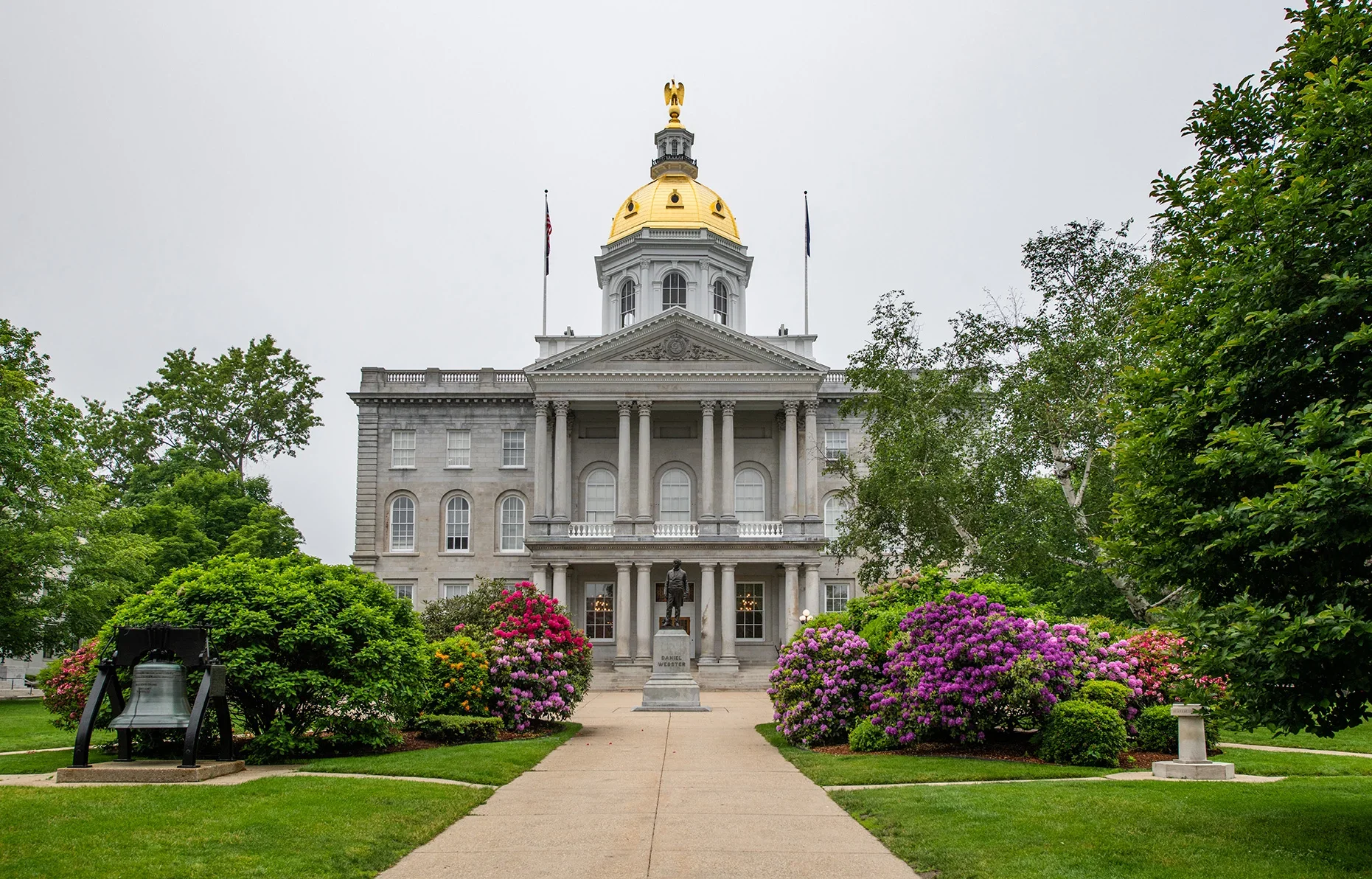
The State Capitol in Concord is where many decisions are made that impact electric system cost and reliability
BROADBAND
Bill was an early supporter of providing high-speed internet to NHEC members. He joined the member petition effort in 2020 to have NHEC “facilitate” broadband to members, before he was a director, and made the petition effort part of his election campaign for director that same year. Members have repeatedly shown strong support for broadband, most notably in 2020, when 88% voted to allow NHEC to provide broadband services. After his election, Bill became a member of the Broadband Committee as its Vice Chair. He was active in securing the first broadband grant in 2020 (the CARES grant) by helping negotiate a contract with a company to design and build the project. When NHEC created NH Broadband as its subsidiary, Bill was one of the leaders of that effort, and in 2022, he became Chair of the NH Broadband governing body, a position he still holds.

Fiber Optic Technology Is Fast and Has High Capacity
In addition to the 2020 “CARES” grant of $6.7 million to serve four towns with broadband, NHEC applied for and won many other grants. Those grants included a $6.5 million Rural Digital Opportunity Fund operating cost grant, a Northern Border Regional Commission grant, a Congressional Directed Spending grant, and, most significantly, a $50 million ARPA Capital Project Fund grant. Bill was instrumental in the effort to secure that $50 million grant as project manager of the grant application process, with the help of fellow Director Leo Dwyer and staff. Since Bill has been NHEC Chair, NHEC has also recently been awarded a $5.6 million Broadband Equity, Access and Deployment (BEAD) grant, and a few more grant applications are in process.
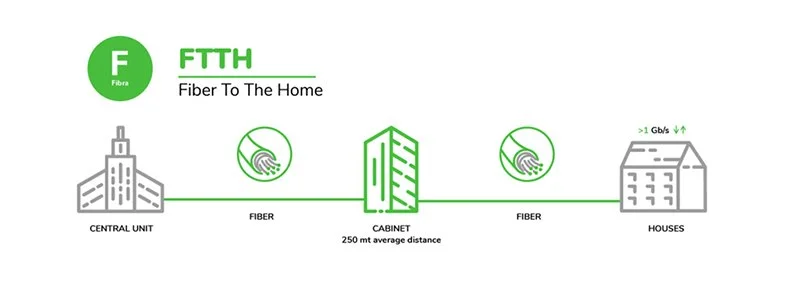
The NH Broadband system can provide 2 gigabit speeds, and can be upgraded to even faster speeds. It also maintains those high speeds during peak usage periods, unlike cable systems.
Those important grant efforts were to ensure NHEC could provide high-speed broadband service to unserved or underserved members in a cost-effective, economically sustainable way, without any subsidies from the electric business. This year, NHEC will complete construction of almost 3,000 miles of fiber optic cable, providing over 40,000 members with access to high-speed internet. The benefits to members include access to educational, business, health, public affairs, and entertainment resources. The COVID-19 pandemic taught us all the critical benefits of being connected to the rest of the world in a convenient, reliable, fast, and cost-effective manner.
Of equal importance, Bill has worked hard to ensure that NH Broadband is a financially strong business that benefits all NHEC members. As he noted in his speech at the last annual meeting, the broadband initiative has replaced hundreds of utility poles that would otherwise have been paid for by electric customers, and even if members don’t choose NH Broadband, the availability of our services will cause the competition to moderate their rates. Electric and broadband assets have a useful life of 30 years or more, but our broadband business will deliver financial benefits long before then.
The Challenge Slate on Broadband
In their website and letters to the editor, the three members of the challenge slate make little or no mention of NHEC’s important broadband business. Their interest in NHEC seems focused on promoting solar and wind power, with battery backup.
OUR BACKGROUND
Voting for Bill Darcy makes sense if you share his focus on electricity affordability and reliability, and the cost-effective provision of broadband to members most in need. It also makes sense if you value a steady, knowledgeable leader experienced in both the electricity and broadband businesses. Bill’s experience at NHEC is obviously his most relevant experience and should be a primary factor in your decision. Before he was a hard-working director for your interests at NHEC, he had substantial relevant experience.
Utility Consumer Advocate and Director of Regulation. This is the most relevant experience for the electric utility and broadband business. His work as a consumer advocate focused on the electric and telecommunications industry, and included a major settlement of a nuclear power dispute that led to rate stability for many years. As Director of Regulation for the Connecticut Department of Public Utility Control, Bill supervised a large staff responsible for regulating electric, telecommunications, gas, and water utilities and for writing decisions for the Commissioners.
President and CEO of Statewide Solid Waste Management Quasi-public Agency. This experience is relevant to his NHEC roles because it provided high-level executive management experience and interaction with a large board of directors. It also involved a highly regulated industry, considerable legislative lobbying, service to a 2 million population service area, contracts with over 100 municipalities, and supervision of four waste-to-energy and recycling facilities. At the time, his organization was the largest independent electricity producer in the State of Connecticut.
Attorney and Public Sector Manager Bill held many other positions in his legal and managerial career. He has argued cases in state and federal courts and in arbitrations. He was involved in permitting a hydroelectric facility. He negotiated a major power purchase agreement for a 50-megawatt facility. He has been involved in legislative lobbying for many different organizations. Many of those experiences are relevant to his work at NHEC.
Bob MacLeod has been on the Board of Directors for the last year. Bob brings an inquisitive attitude and a strong background in managing a highly regulated business. Bob is the Chief Executive Officer of the Mid-State Health Center in Plymouth, with other facilities in Bristol, Littleton, and Lincoln. He has a strong educational background in general management and health management and has considerable experience with the New Hampshire state government. His role as CEO at Mid-State Health has provided him with great experience in federal policymaking and regular interaction with our Congressional representatives and their aides in the nation’s capital. He has extensive community volunteer service, including service in the Thornton municipal government as the Town Moderator and as a member of the local and regional school boards. Bob understands that the economic needs of our many members require a cost-effective approach for essentials such as reliable electricity and high-performance broadband. He has spent a year gaining in-depth knowledge of the technical, operational, and financial aspects of NHEC’s electric and broadband businesses. He has the endorsement of the NHEC Nominating Committee. Bill believes he is a strong asset to NHEC, and he deserves your support and re-election.
CARL KNOWLTON HAS OUR SUPPORT

CARL KNOWLTON
Of the four non-incumbent candidates, Carl Knowlton looks like the best choice for members. Carl Knowlton has a strong professional background in energy issues, having financed numerous energy projects for cooperatives, public power agencies, investor-owned utilities, and independent power producers across the United States, during his tenure at Credit Suisse First Boston, John Hancock Financial Services, and as an independent financial consultant. He is a graduate of the United States Military Academy, has an MBA from Northeastern University, and is a CFA Charterholder. The NHEC Nominating Committee was impressed by his credentials, experience, and presentation to the Committee, and he thus carries their endorsement. Bill has met Carl, discussed his background and priorities, and believes he would assist in the governance of NHEC to the benefit of members.
Bill’s Border Collie would be upset if he left without providing you a picture of her lovely magnificence atop Black Mountain in Benton. Bill maintains the Black Mountain Trail for the United States Forest Service.

PLEASE VOTE IN THE NHEC DIRECTOR ELECTION!
You can vote by paper ballot, which members started receiving on May 16th, or electronically by going to the NHEC SmartHub website: https://nhec.smarthub.coop/ui/#/login or take picture of the QR Code below.
VOTE BY MAIL OR VOTE ONLINE, BUT PLEASE VOTE!